
-
Sprung 60mm Acoustic Gym Matting Tiles – Decibel Collection
Vendor:SprungRegular price £121.00Sale price £121.00 Regular priceUnit price per -
Sprung 50mm Acoustic Gym Flooring Tiles – Decibel Collection
Vendor:SprungRegular price £110.00Sale price £110.00 Regular priceUnit price per -
Sprung 43mm Acoustic Gym Flooring Tiles – Decibel Collection
Vendor:SprungRegular price £72.47Sale price £72.47 Regular priceUnit price per

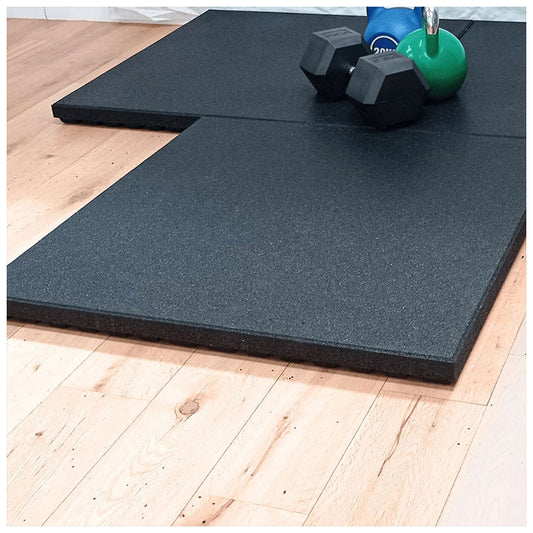

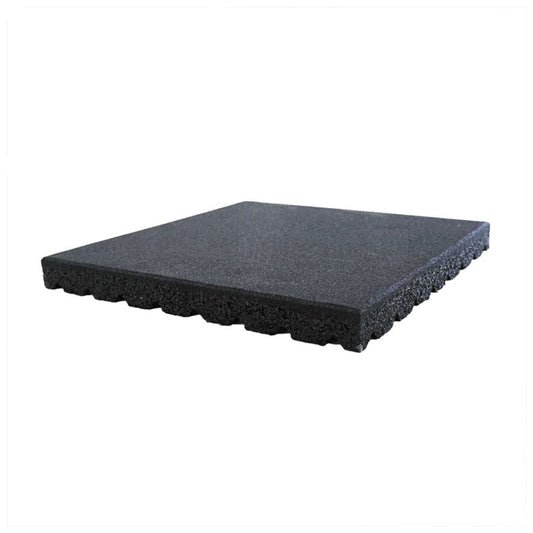

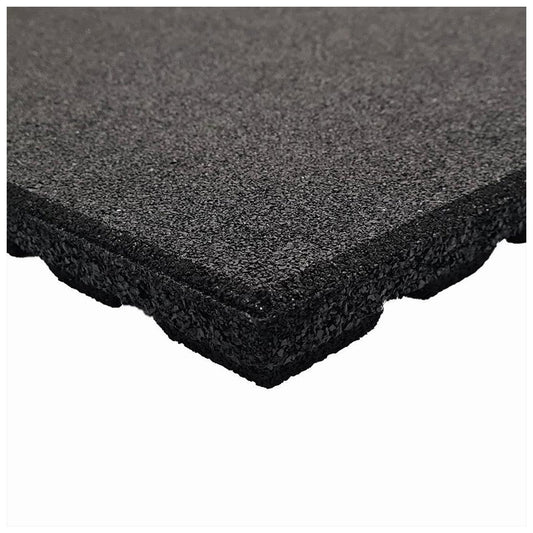
Frequently Asked Questions
Does acoustic gym flooring reduce noise?
Yes. Acoustic tiles use dense rubber to isolate sound and vibration from dropped weights and from machines such as treadmills, bikes and rowers. The 43mm Decibel tile has a 25dB impact rating, and the range also protects the sub-floor. No flooring removes all sound, but it significantly reduces impact noise. See the acoustic flooring range.
What thickness of acoustic gym flooring do I need?
The Decibel acoustic range comes in 43mm, 50mm and 60mm tiles. The thicker the tile, the more it isolates noise and vibration. The 60mm tile is the thickest in the range and is designed for repetitive weight drops and high-impact work with tyres and sleds. The 43mm tile suits treadmills, bikes and lighter free weights.
Is acoustic flooring suitable for a home gym in a flat?
The Decibel tiles are made for home gyms as well as commercial ones, specifically to reduce impact noise and vibration that could disturb neighbours or the rest of the household. In a flat or upstairs room, the floor itself also matters, so check with your building manager or a structural engineer before laying thick rubber. Start with the 43mm Decibel tile.
Can acoustic tiles go under a treadmill?
Yes. The Decibel acoustic tiles are designed to isolate vibration from machines including treadmills, bikes and rowers, not just from dropped weights. They are 1m × 1m tiles, so you can cover just the area under and around a machine or a whole room. Compare thicknesses in acoustic and soundproof gym flooring.


