
-
Premium Gym Floor Rubber Edge
Vendor:GymgearRegular price Starting at £12.99Sale price Starting at £12.99 Regular priceUnit price per -
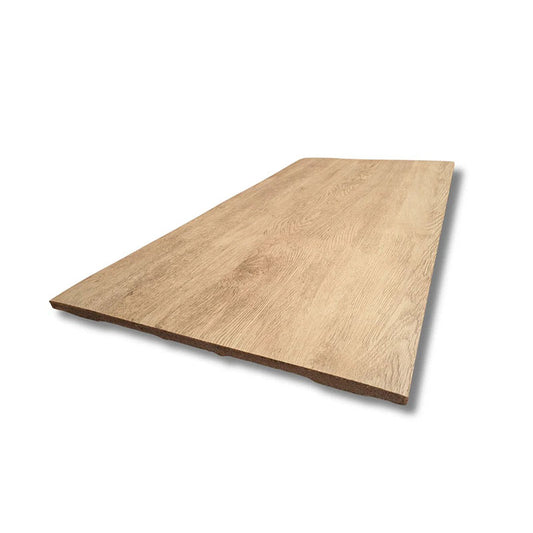
20mm Wood Effect Gym Flooring Tiles – Studio, Functional & Home Gym Use
Vendor:GymgearRegular price £35.99Sale price £35.99 Regular priceUnit price per -
30mm Premium Black Rubber Gym Floor Tile (1m x 0.5m / Black)
Vendor:GymgearRegular price £29.99Sale price £29.99 Regular priceUnit price per -
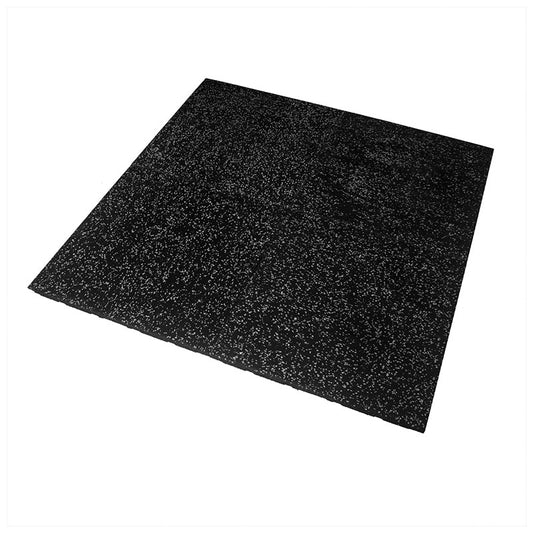
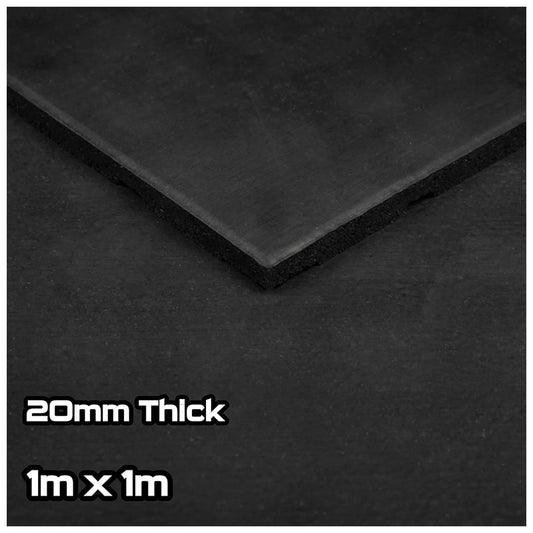
Black SBR Interlocking Rubber Gym Flooring with Connectors (1m x 1m) (20mm)
Vendor:Rival StrengthRegular price Starting at £5.99Sale price Starting at £5.99 Regular priceUnit price per -
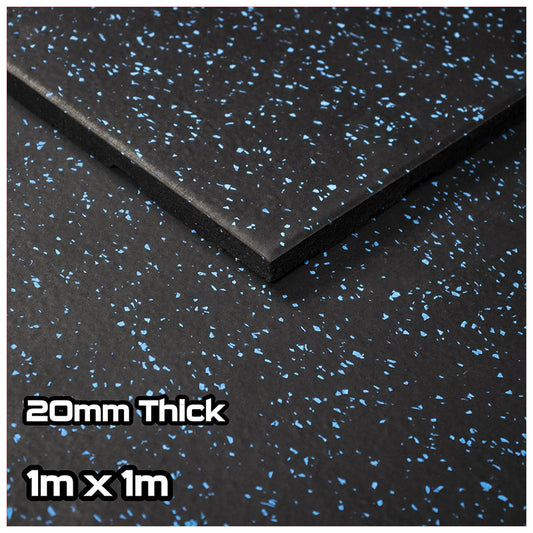
Blue Fleck SBR Interlocking Rubber Gym Flooring with Connectors (1m x 1m) (20mm)
Vendor:Rival StrengthRegular price Starting at £5.99Sale price Starting at £5.99 Regular priceUnit price per -
Rival Black Premium Interlocking Rubber Gym Flooring with Connectors (500mm x 500mm) (20mm)
Vendor:Rival StrengthRegular price Starting at £5.99Sale price Starting at £5.99 Regular priceUnit price per -
EPDM Luxury Fleck | 1m x 1m | Black with Pink Fleck | 15mm | 20mm
Vendor:Recharge FitnessRegular price Starting at £35.00Sale price Starting at £35.00 Regular priceUnit price per -
EPDM Luxury Fleck | 1m x 1m | Black with Grey Fleck | 15mm | 20mm | 30mm
Vendor:Recharge FitnessRegular price Starting at £35.00Sale price Starting at £35.00 Regular priceUnit price per -
EPDM Luxury Fleck | 1m x 1m | Black with White Fleck | 15mm | 20mm
Vendor:Recharge FitnessRegular price Starting at £35.00Sale price Starting at £35.00 Regular priceUnit price per -
Sprung 20mm Konnecta Wood Effect Gym Flooring Mats
Vendor:SprungRegular price Starting at £44.40Sale price Starting at £44.40 Regular priceUnit price per -
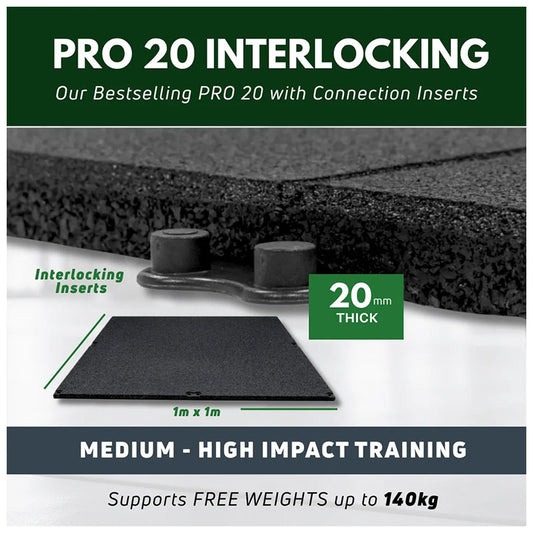
20mm PRO Interlocking Gym Tiles – Connection Inserts Included
Vendor:SprungRegular price Starting at £14.01Sale price Starting at £14.01 Regular priceUnit price per -
Rival Grey Fleck Premium Rubber Gym Flooring (1m x 1m) (15mm)
Vendor:Rival StrengthRegular price £32.99Sale price £32.99 Regular priceUnit price per -
Rival Blue Fleck Premium Interlocking Rubber Gym Flooring with Connectors (1m x 1m) (20mm)
Vendor:Rival StrengthRegular price Starting at £5.99Sale price Starting at £5.99 Regular priceUnit price per -
Rival Black Premium Rubber Gym Flooring (1m x 1m) (15mm)
Vendor:Rival StrengthRegular price £31.99Sale price £31.99 Regular priceUnit price per -
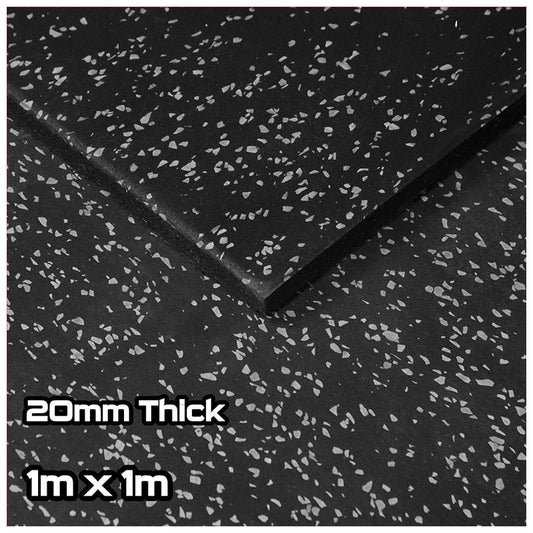
Rival Grey Fleck Premium Interlocking Rubber Gym Flooring with Connectors (1m x 1m) (20mm)
Vendor:Rival StrengthRegular price Starting at £5.99Sale price Starting at £5.99 Regular priceUnit price per -
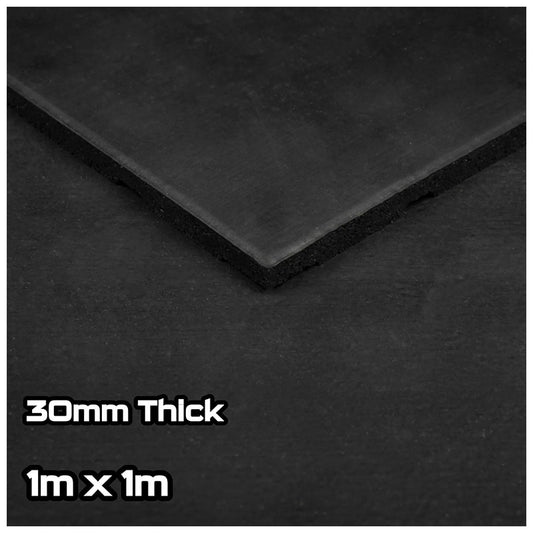
Rival Black Premium Interlocking Rubber Gym Flooring with Connectors (1m x 1m) (30mm)
Vendor:Rival StrengthRegular price Starting at £6.99Sale price Starting at £6.99 Regular priceUnit price per -
Rival Blue Fleck Premium Rubber Gym Flooring (1m x 1m) (15mm)
Vendor:Rival StrengthRegular price £32.99Sale price £32.99 Regular priceUnit price perSold out -
Black SBR Rubber Gym Flooring (1m x 1m) (15mm)
Vendor:Rival StrengthRegular price £22.99Sale price £22.99 Regular priceUnit price per -
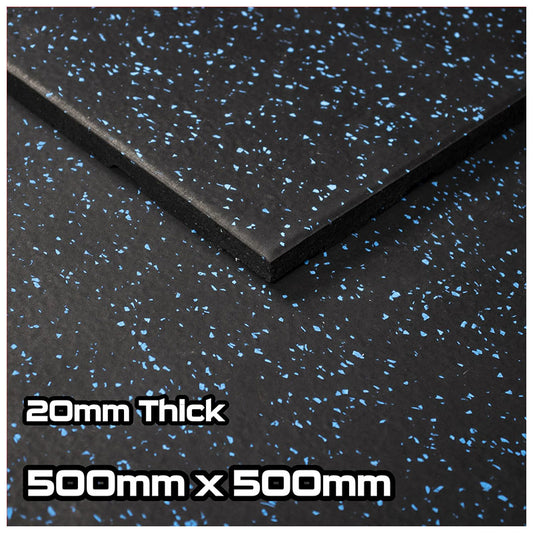
Rival Blue Fleck Premium Interlocking Rubber Gym Flooring with Connectors (500mm x 500mm) (20mm)
Vendor:Rival StrengthRegular price Starting at £4.99Sale price Starting at £4.99 Regular priceUnit price per -
Black SBR Interlocking Rubber Gym Flooring with Connectors (1m x 1m) (30mm)
Vendor:Rival StrengthRegular price Starting at £6.99Sale price Starting at £6.99 Regular priceUnit price per -
Black SBR Rubber Gym Flooring (1m x 1m) (10mm)
Vendor:Rival StrengthRegular price £19.99Sale price £19.99 Regular priceUnit price per -
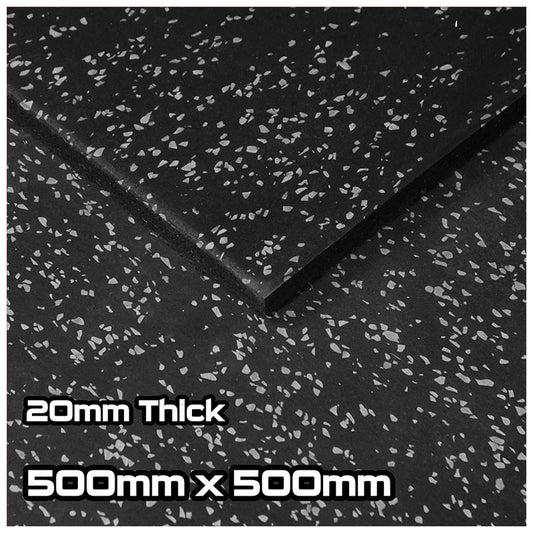
Rival Grey Fleck Premium Interlocking Rubber Gym Flooring with Connectors (500mm x 500mm) (20mm)
Vendor:Rival StrengthRegular price Starting at £5.99Sale price Starting at £5.99 Regular priceUnit price per -
Grey Fleck SBR Interlocking Rubber Gym Flooring with Connectors (1m x 1m) (20mm)
Vendor:Rival StrengthRegular price Starting at £5.99Sale price Starting at £5.99 Regular priceUnit price per -
Rival Black Premium Interlocking Rubber Gym Flooring with Connectors (1m x 1m) (20mm)
Vendor:Rival StrengthRegular price Starting at £9.99Sale price Starting at £9.99 Regular priceUnit price per





















Frequently Asked Questions
What flooring is best for a garage gym?
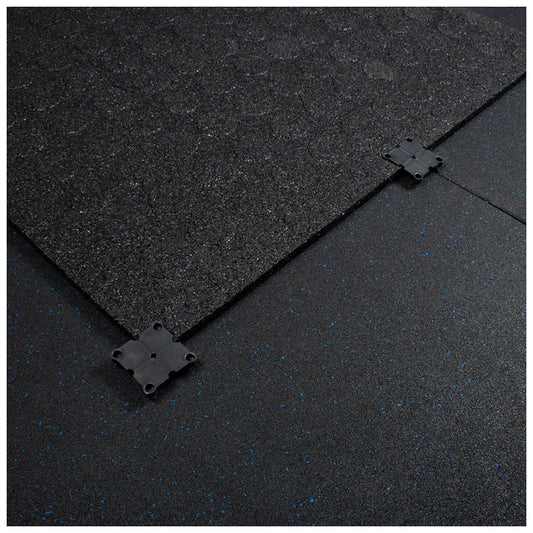
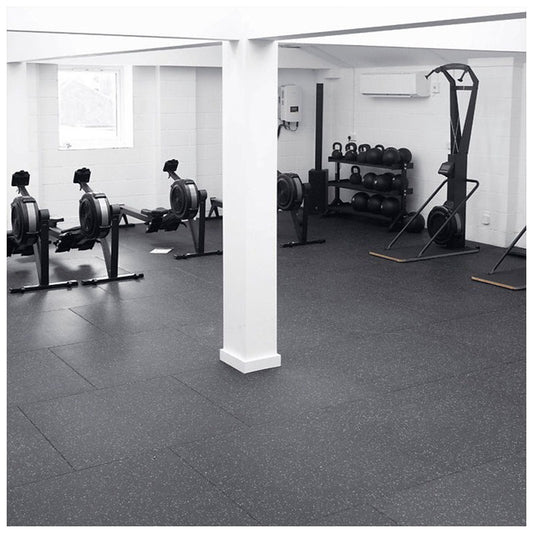
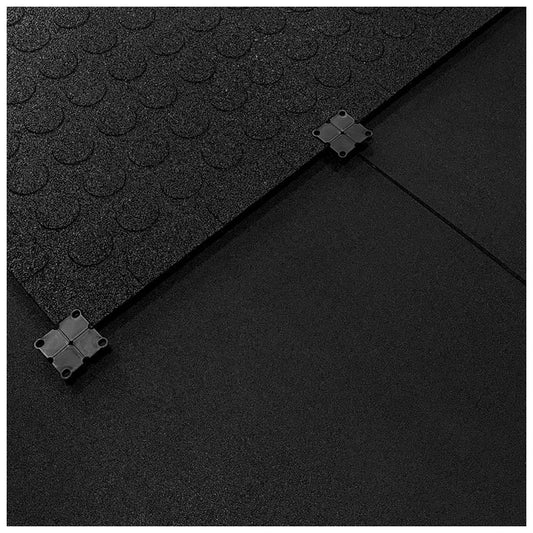
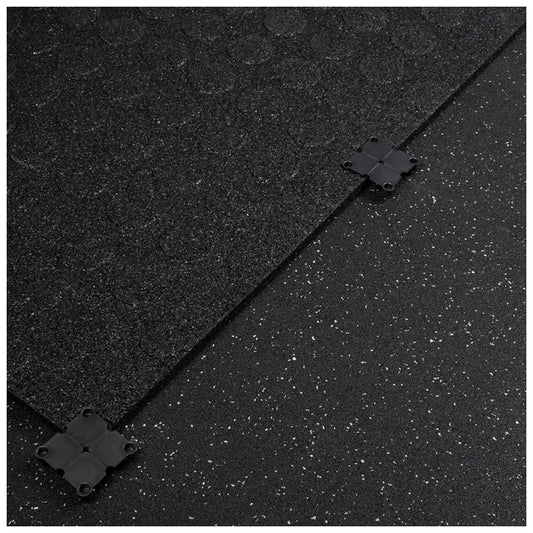
Interlocking rubber tiles laid straight over the garage floor are the usual choice. The Rival Strength 20mm SBR tiles come with plastic connectors and have a shock-absorbing pattern on the base. Where barbells will be dropped, step up to 30mm Gymgear tiles. Rubber also protects the concrete and makes a cold floor more comfortable to train on.
Should I choose 15mm or 20mm gym flooring?
15mm tiles suit garage gyms, home gyms and lighter training, such as kettlebells and bodyweight work. 20mm tiles are the better fit for heavier strength training with barbells, racks and free weights. If you lift heavy and drop the bar, consider 30mm. Both 15mm and 20mm options are in our EPDM tiles and rubber tiles ranges.
Can you lay gym flooring straight onto concrete?
Yes. Most of our home gym tiles are loose-laid, so they sit directly on a concrete floor and lock together with connectors, with no glue needed. The floor underneath should be level, firm and dry. Tiles such as the Gymgear 20mm Premium tile use hidden connectors for an adhesive-free finish. Finish open edges with ramped edges.
How many gym floor tiles do I need per m²?
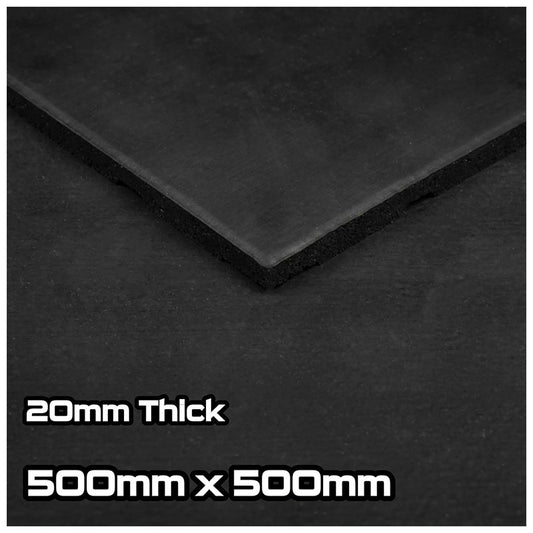
It depends on tile size. A 1m × 0.5m tile covers 0.5m², so you need 2 per m². A 1m × 1m tile covers 1m². A 50cm × 50cm tile covers 0.25m², so you need 4 per m². Measure the room, multiply length by width, then add a few spare tiles for cuts around doors and posts. Sizes are listed on each product in home and garage gym flooring.


